

Arc Flash Safety: 2025 Guide (Part 1 – The Hidden Dangers Every Worker Should Know)

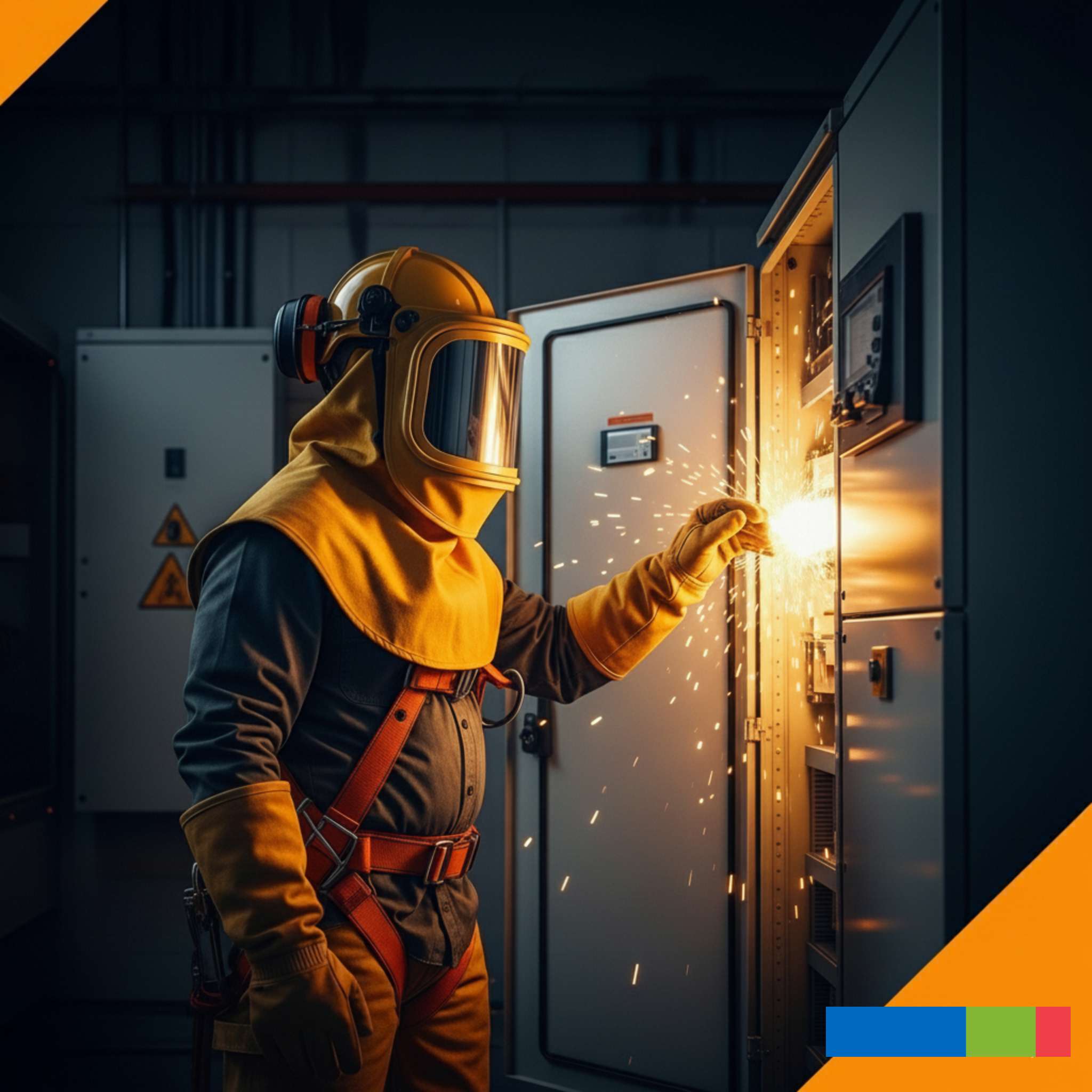
Working around electricity can be risky, even if your job doesn’t involve handling live wires directly. Arc flashes are one of the most serious hazards in workplaces with electrical systems. According to the OSHA Online Center, globally, about 1.2 million people are injured annually due to electrical incidents, with over 30 workplace fatalities in the U.S. each year attributed to electrical hazards.
What makes arc flashes so dangerous is how sudden and unpredictable they are. One moment you are checking a panel, flipping a breaker, or tightening a connection, and the next, an explosion of heat and blinding light erupts around you. Sometimes, the injured worker isn’t even touching live equipment – the energy can jump through the air. Many survivors describe it as being “hit by fire and a bomb at the same time.” Some walk away with scars that never fade, while others never return home. This is why arc flash awareness is critical for everyone who works near electrical systems.
This Three-Part Guide Breaks It All Down
Part 1 (this post) explains what an arc flash is, the difference between arc flash and arc blast, why they occur, which industries are most at risk, and the invisible safety boundaries that help protect workers.
Part 2 covers how to protect yourself, including arc flash PPE categories, risk assessments, equipment maintenance, safety programs, and training to build a safety-first culture.
Part 3 focuses on proper use, care, and maintenance of arc flash PPE, with dos and don’ts, inspection checklists, and tips to ensure maximum protection and compliance.
Across industries like construction, mining, healthcare, manufacturing, and utilities, arc flashes are a hidden but deadly hazard. Awareness, proper procedures, and the correct protective equipment can make the difference between walking away safely and suffering life-altering injuries.
Topics Covered in Part 1
- What is an Arc Flash?
- Arc Flash vs. Arc Blast: Understanding the Full Danger
- How and Why Arc Flashes Occur
- Industries and Environments with High Arc Flash Risk
- Understanding Arc Flash Safety Boundaries
- Why Awareness and Training Matter
- Frequently Asked Questions
What exactly is an arc flash?
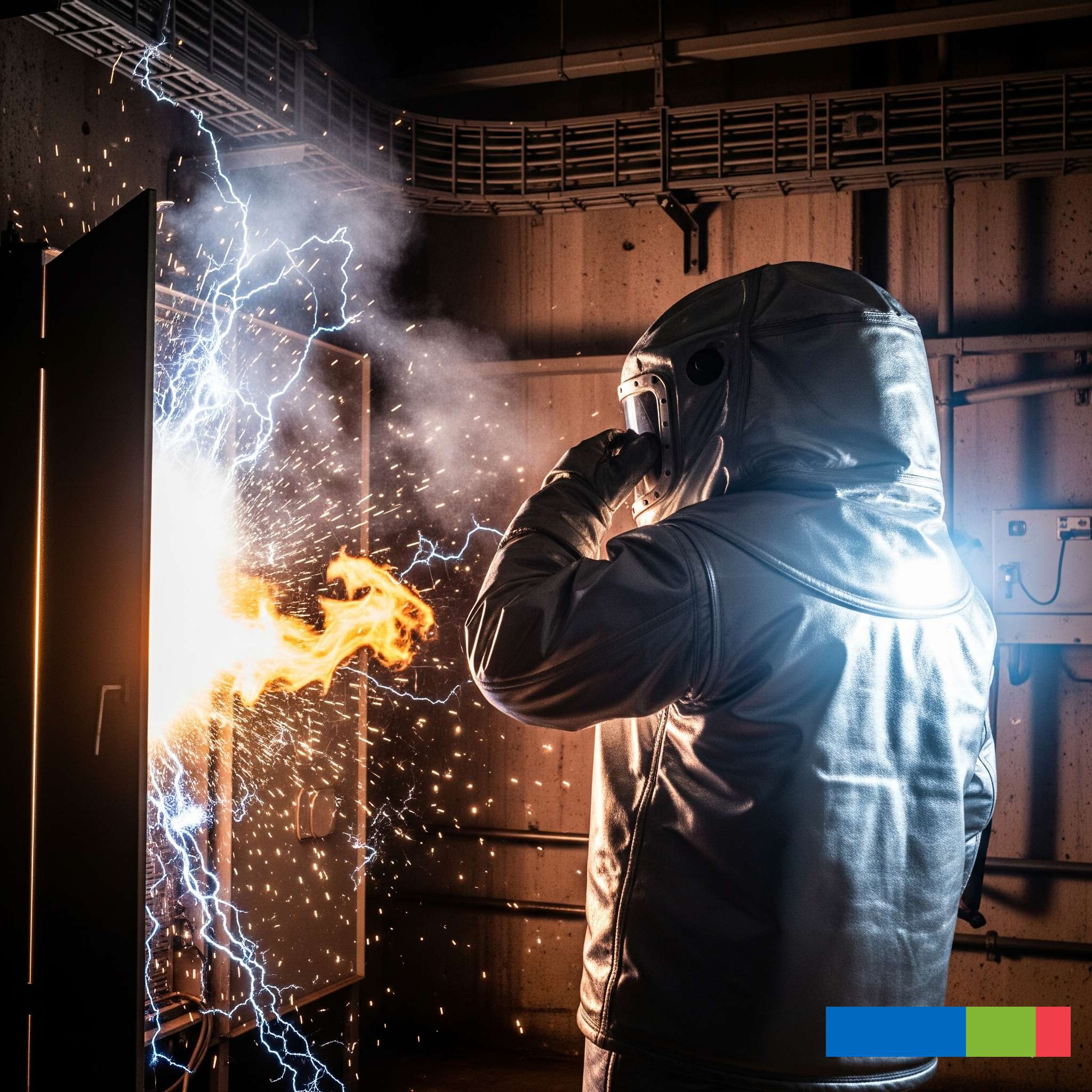
An arc flash is a violent and sudden release of electrical energy through the air. It happens when electricity escapes its intended path and finds a new one – usually through air that has been ionized (charged). Normally, air is a poor conductor, but when voltage levels get high enough, or when there’s dust, moisture, or a fault, the air itself becomes a conductive channel.
When that happens, the electrical current creates a superheated plasma discharge, releasing extreme amounts of heat, light, and energy in a fraction of a second.
Here’s what makes arc flashes especially dangerous:
- Temperatures: They can reach or exceed 35,000°F (about 20,000°C) at the arc terminals. That’s hotter than the surface of the sun.
- Heat radiation: Even standing several feet away, exposed skin can be burned instantly.
- Blinding light: The flash includes intense ultraviolet (UV) and infrared (IR) radiation that can damage vision permanently.
- Flying shrapnel: Vaporized copper, aluminium, or steel expands at explosive speeds, sending molten metal fragments through the air.
- Noise and shockwave: The blast can exceed 140 decibels (louder than a jet engine) and create a pressure wave strong enough to rupture eardrums or throw a person to the ground.
This combination of heat, pressure, light, and sound makes arc flashes unique compared to other electrical hazards – and far more destructive.
Arc flash vs. arc blast – what’s the difference?
Many people casually say “arc flash” when they actually mean the whole event. But in reality, there are two separate forces at play, and understanding both is key to protecting yourself.
Arc Flash: Heat and Light
- Caused by electricity jumping through the air, ionizing it into plasma.
- Produces intense thermal energy that burns skin through multiple clothing layers.
- Emits UV and IR radiation that can blind eyes in milliseconds.
- Can ignite flammable clothing or cause metal to vaporize.
Arc Blast: Pressure and Force
- Triggered when the arc’s extreme heat vaporizes metal, expanding it violently.
- Creates a pressure wave that acts like a small explosion.
- Can knock workers off ladders or platforms, rupture lungs or eardrums, and send debris flying at deadly speeds.
- Produces sound levels so intense they can cause permanent hearing damage.
👉 Key takeaway:
- Arc flash = thermal and light hazard.
- Arc blast = mechanical and pressure hazard.
Even the highest-rated PPE (like Category 4 suits) can’t fully protect against the blast force. This is why prevention, safe practices, and training are just as important as PPE.
Why do arc flashes happen?
Arc flashes aren’t random accidents. They usually have a cause – and often, it’s preventable. Some common triggers include:
- Electrical faults: Short circuits, ground faults, or insulation failures.
- Overvoltage: Excess voltage causes electricity to jump where it shouldn’t.
- Equipment failure: Breakers, switches, or transformers malfunctioning.
- Dust and debris: Build-up creates a conductive path.
- Moisture or corrosion: Weakens insulation and creates leakage paths.
- Improper maintenance: Ignoring inspections leads to lose or worn connections.
- Human error: Dropped tools, accidental contact, or incorrect procedures.
- Environmental factors: High humidity, flooding, or conductive dust.
- Unauthorized modifications: Altering systems without proper safeguards.
- Inadequate PPE or training: Workers being unprepared for hazards.
In other words, most arc flash events are the result of a chain of small failures, poor design, poor maintenance, or poor decisions coming together at the wrong time.

Where are arc flashes most likely to occur?
Arc flashes can happen anywhere electricity flows. But some industries and environments face higher risks due to the scale, complexity, or conditions of their systems.
- Electrical Utilities
High-voltage transmission lines, substations, and switchgear mean any failure is catastrophic. - Construction and Civil Engineering
Temporary wiring, underground cabling, and high-voltage equipment increase the chances of faults. - Manufacturing and Heavy Industry
Factories use massive machinery that runs on high currents – ideal conditions for severe arc events. - Mining
Damp, dusty, and corrosive environments combine with powerful underground equipment to create high risk. - Oil and Gas
Flammable substances and high voltage together make arc flashes particularly deadly. - Healthcare
Hospitals and labs depend on complex backup systems, meaning an arc flash could endanger both workers and patients.
Here are the commonly used PPE for Arc Flashes
- Arc-Rated Helmet with Face Shield & Balaclava
Protects the head, face, and neck against extreme heat, blinding light, and flying debris.
👉 Browse our broad range ofarc flash helmets and face shields where you can find the specific protection needed for high-voltage environments.
- Hearing Protection (Earplugs or Earmuffs)
Essential for environments where arc blasts exceed 140 decibels.
👉 Browse our broad range ofindustrial hearing protection where you can find the specific protection needed for arc flash environments.
- Arc-Rated Safety Glasses or Goggles
Provides additional eye protection against UV, IR radiation, and molten metal particles.
👉 Browse our broad range ofsafety glasses where you can find the specific protection for electrical and industrial hazards.
- Flame-Resistant Workwear (Arc-Rated Clothing)
Workers need layered protection against extreme heat and thermal energy. Our range includes:
- Flame Acid Conti Suits – durable, flame- and acid-resistant full-body protection.
- Flame Acid Boiler Suits – ideal for heavy-duty industrial tasks.
- Flame Acid Conti Jackets – upper body protection for high-risk sites.
- Flame Acid Conti Pants – designed for mobility and layered protection.
- Flame Acid Dust Coats – extra coverage for lab, healthcare, or workshop use.
- Flame Acid Thermal Jackets – added insulation for cold environments while maintaining arc flash protection.
- Chemical Resistant Hoods – for environments where workers face both electrical and chemical hazards.
5. Arc Flash Gloves
Specially designed to withstand high incident energy levels, arc flash gloves protect against thermal burns, molten metal, and arc exposure while allowing dexterity for electrical tasks.
👉 Browse our broad range ofarc flash gloves
- Insulated Gloves with Leather Protectors
Critical for preventing electrical contact burns and secondary injuries from heat and debris.
👉 Buy Electrical Insulating Gloves
- Safety Boots (Dielectric or Arc-Rated)
Prevents electric conduction through the feet while protecting against molten splatter.
👉 Browse our broad range ofsafety boots where you can find the specific protection for electrical and industrial hazards.
Each piece of PPE should be selected based on the calculated incident energy exposure for the task (from your arc flash risk assessment). Remember, PPE is the last line of defence after engineering controls and safe work practices.
The importance of invisible safety boundaries
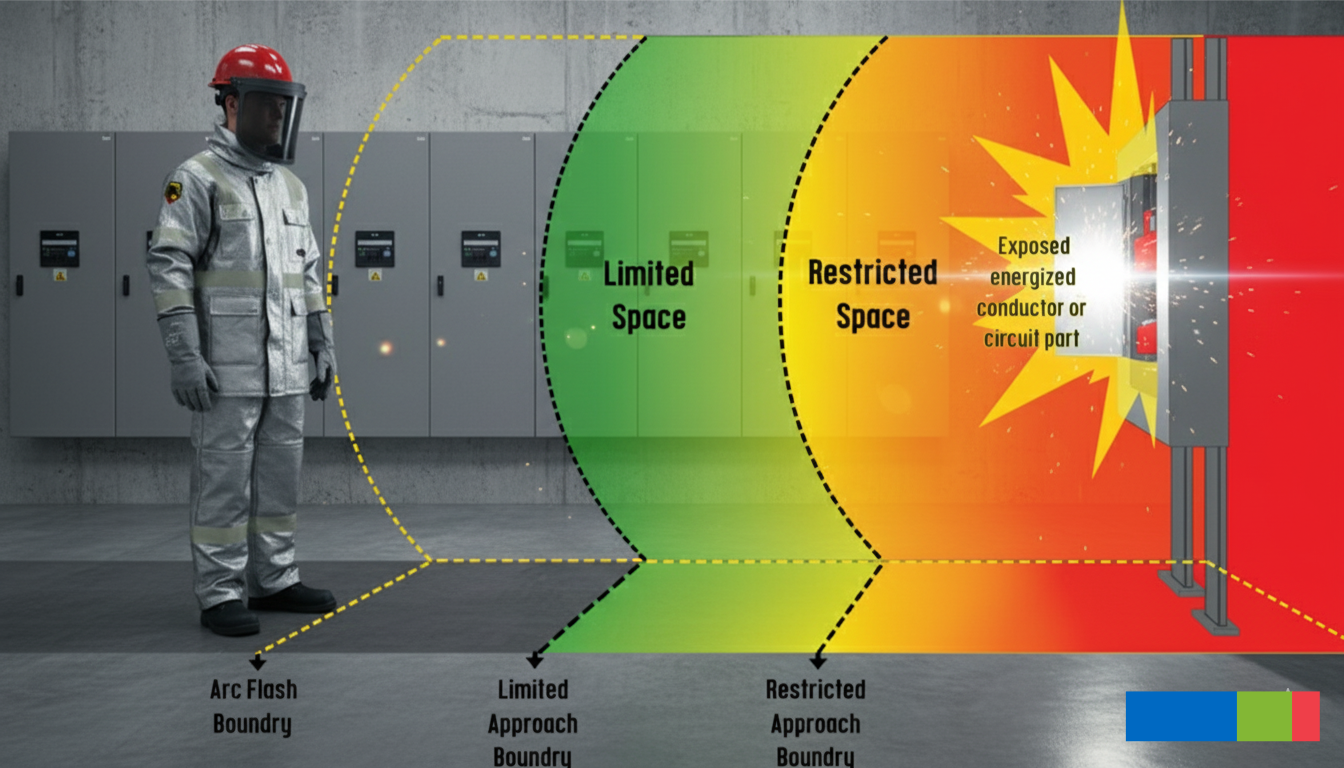
When working on or near energized systems, danger isn’t always visible. That’s why standards like NFPA 70E introduce electrical approach boundaries, which act like invisible safety zones:
- Arc Flash Boundary – The point where a worker could receive a second-degree burn from arc heat. Anyone crossing this line must wear the proper arc-rated PPE.
- Limited Approach Boundary – Only trained and authorized personnel may enter.
- Restricted Approach Boundary – Extremely high-risk; requires insulated tools, PPE, and a strict work plan.
- Exposed Energized Part – The live component itself, where contact without de-energization is fatal.
Respecting these boundaries saves lives. Think of them as “do not cross” zones that keep workers safe even if an arc flash happens.